Introduction
In today’s highly competitive environment, organizations cannot afford slow reactions, delayed information, or blind spots in their operations. Whether in manufacturing, logistics, healthcare, energy, or IT, efficiency now depends on one essential capability: real-time monitoring.
More than a technology trend, real-time monitoring has become a strategic pillar for companies seeking to improve performance, reduce costs, and operate with greater agility. By turning live data into actionable insights, it enables businesses to detect issues instantly, automate decisions, and optimize processes with unprecedented precision.
This guide explains what real-time monitoring is, how it works, why it matters, and how it transforms operations across industries, with proven benefits and best practices for 2025.
What Is Real-Time Monitoring?
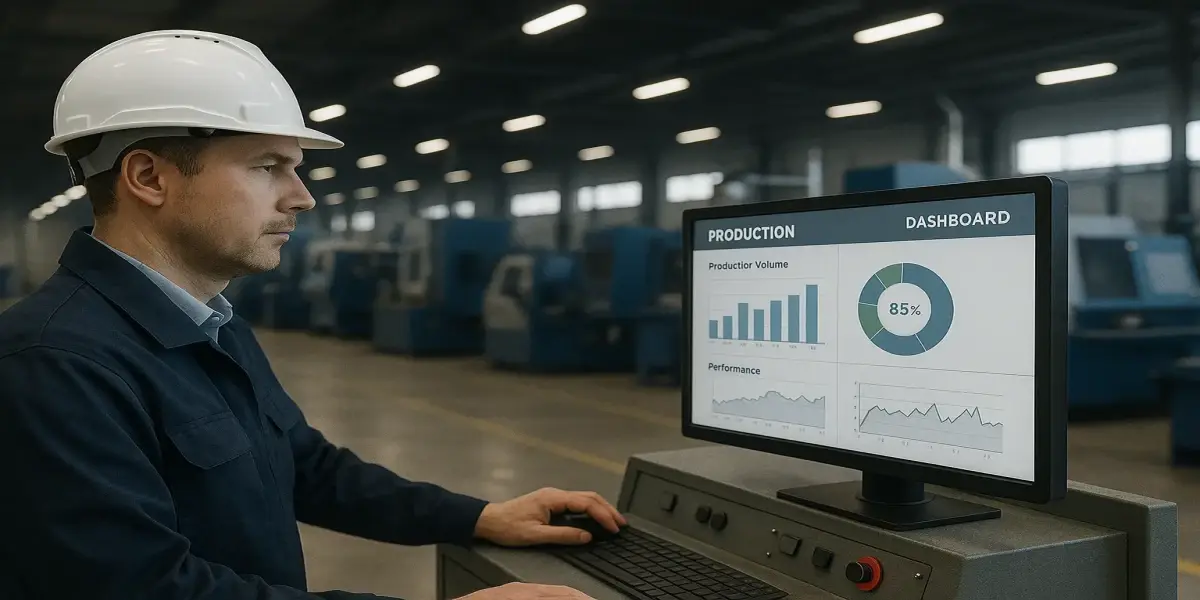
Real-time monitoring refers to the continuous collection, analysis, and display of data the moment it is generated. Unlike periodic or manual reporting, this approach delivers live insights on equipment, processes, systems, or people.
In practical terms, real-time monitoring allows organizations to see:
-
Machine performance
-
Production rates
-
Workflow progress
-
System health
-
Asset locations
-
Energy usage
-
Safety parameters
Real-time monitoring is powered by a combination of:
-
IoT sensors
-
Connected machines
-
Cloud platforms
-
Dashboards and alerts
-
AI and analytics
Key benefit: Immediate visibility enables immediate action — something delayed reports simply cannot provide.
Why Real-Time Monitoring Matters
Global pressures, fluctuating demand, labor shortages, rising energy costs, supply chain disruptions, push companies to operate smarter. Real-time data closes the gap between planning and execution by ensuring that information flows instantly from the field to decision-makers.
According to McKinsey, companies that adopt real-time monitoring technologies can achieve:
-
15–30% reduction in downtime
-
20% improvement in productivity
-
10–12% savings on maintenance costs
These numbers explain why real-time monitoring is now considered essential, not optional.
How Real-Time Monitoring Optimizes Operations?
1. Better Decision-Making Thanks to Live Data
Real-time monitoring eliminates guesswork. Managers and operators no longer rely on outdated reports but instead make decisions based on what is happening right now.
Examples include:
-
A CNC machine showing a drop in spindle speed
-
A delivery truck stuck in traffic
-
A server reaching high CPU usage
-
A hospital patient’s vitals changing unexpectedly
This immediacy enables fast, informed decisions that prevent problems before they grow.
Why this matters for operational optimization:
-
Faster troubleshooting
-
More accurate prioritization
-
Reduced errors
-
Improved coordination between teams
2. Higher Productivity Through Bottleneck Visibility
Real-time monitoring is one of the most effective methods to identify and eliminate operational bottlenecks. By continuously tracking performance metrics, organizations gain clarity on:
-
Where delays occur
-
Which machines underperform
-
Which tasks take longer than expected
-
Which resources are underutilized
In manufacturing, for example, real-time monitoring can highlight:
-
A machine waiting for material
-
An operator overloaded with tasks
-
A maintenance issue impacting cycle times
When bottlenecks become visible, productivity increases naturally.
3. Reduced Downtime Through Predictive Maintenance
Unplanned downtime is one of the most expensive operational risks, costing manufacturers an average of $260,000 per hour (Aberdeen Research). Real-time monitoring combats this with:
-
Anomaly detection
-
Condition-based alerts
-
Predictive analytics
Sensors can detect:
-
Abnormal vibration
-
Overheating
-
Pressure fluctuations
-
Reduced machine efficiency
This allows teams to intervene before a breakdown, significantly reducing downtime and extending equipment life.
4. Stronger Safety and Compliance
In high-risk industries, energy, transportation, chemicals, healthcare, safety is non-negotiable. Real-time monitoring continuously tracks:
-
Temperature
-
Pressure
-
Chemical levels
-
Structural integrity
-
Environmental conditions
Alerts notify operators when thresholds are exceeded, preventing accidents, product loss, or regulatory violations.
Real-time monitoring becomes a proactive safety layer.
5. Smarter Resource Allocation
Real-time visibility ensures that assets, materials, machines, and people are used optimally.
Examples:
-
Logistics: optimizing fleet routes based on traffic
-
Manufacturing: balancing operator workload
-
Warehousing: real-time inventory movement
-
IT: adjusting server loads to avoid outages
By reducing waste and reallocating resources instantly, organizations achieve higher efficiency without increasing costs.
Applications of Real-Time Monitoring Across Industries
1. Manufacturing
-
Machine performance tracking
-
Real-time production line visibility
-
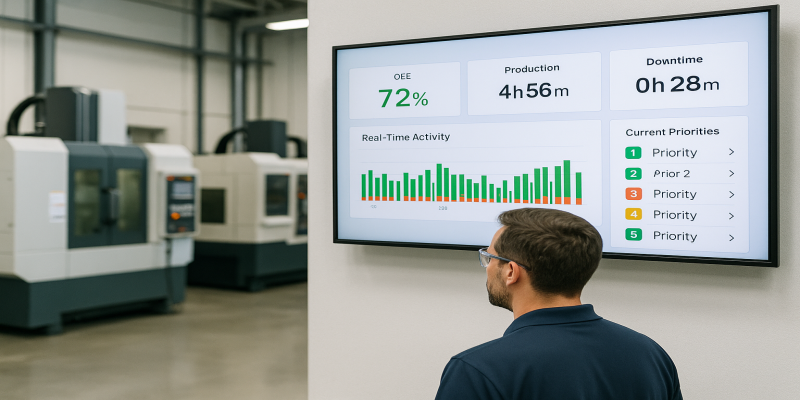
OEE and downtime monitoring
-
Predictive maintenance
-
Energy consumption analysis
This helps factories increase output, reduce scrap, and improve quality.
2. Logistics & Transportation
-
Real-time fleet tracking
-
Route optimization
-
Cold chain monitoring
-
Delivery time accuracy
This ensures faster deliveries, lower fuel consumption, and better customer satisfaction.
3. Healthcare
-
Patient vital signs monitoring
-
ICU and emergency alerts
-
Medical equipment tracking
Real-time data supports faster interventions and better care.
4. Energy & Utilities
-
Grid performance monitoring
-
Renewable energy integration
-
Predictive failure alerts
-
Load balancing
This increases system reliability and reduces operational costs.
5. IT & Networking
-
Server health monitoring
-
Cybersecurity threat detection
-
Network performance tracking
Real-time monitoring is essential to maintain uptime and ensure service continuity.
Challenges of Implementing Real-Time Monitoring
Despite its benefits, organizations must navigate a few obstacles:
1. Data Overload
Thousands of data points per second require robust analytics and filtering.
2. Integration Complexity
Connecting sensors, ERP systems, MES platforms, and cloud tools can require specialized expertise.
3. Cybersecurity Risks
More connected devices mean more entry points for cyberattacks.
4. Upfront Investment
Sensors, software, and infrastructure have initial costs — though ROI is generally fast thanks to reduced downtime and waste.
The Future of Real-Time Monitoring (2025–2030)
Real-time monitoring is evolving toward automation and autonomous decision-making. Key technological trends include:
1. AI-Driven Predictive Analytics
AI models will not only detect anomalies but also recommend or execute corrective actions automatically.
2. Digital Twins
Real-time monitoring data will feed virtual replicas of machines and facilities, enabling simulation and advanced optimization.
3. More Accessible IoT Sensors
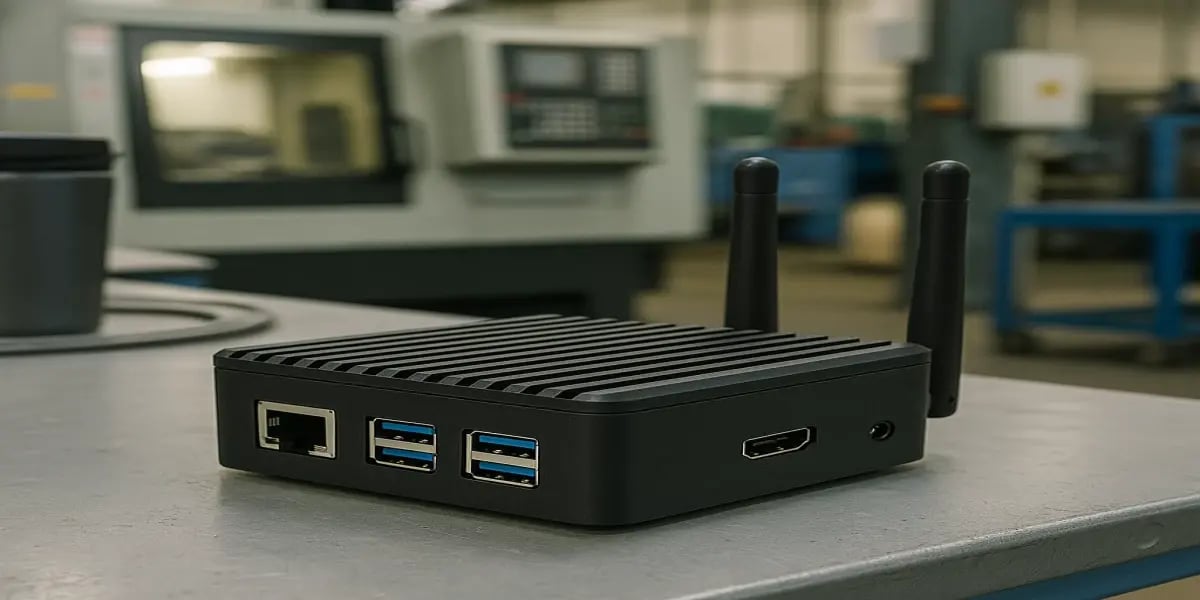
Lower costs will make real-time monitoring available even to small and medium-sized businesses.
4. Human–Machine Collaboration
Operators will receive real-time instructions, alerts, and insights directly on tablets, smartwatches, or AR glasses.
5. Edge Computing
More data will be processed locally for faster response times.
The result: faster decisions, fewer errors, and more efficient operations.
Best Practices for Successful Real-Time Monitoring
1. Start with High-Impact Areas
Focus on machines, assets, or processes that cause:
-
Frequent delays
-
High maintenance costs
-
Safety risks
2. Define Clear KPIs
Examples:
-
Machine utilization
-
Cycle time
-
Downtime
-
Throughput
-
OEE
3. Standardize Data Collection
Ensure all sensors and systems measure the same variables consistently.
4. Use Dashboards Built for Operators
Data must be simple, visual, and actionable.
5. Integrate with Existing Systems
MES, ERP, TMS, WMS, SCADA, all must synchronize with real-time data.
6. Prioritize Cybersecurity
Use encryption, segmentation, and continuous monitoring to protect the infrastructure.
Conclusion: Why Real-Time Monitoring Is Now Essential
Real-time monitoring is no longer a luxury, it is a strategic necessity.
Organizations that adopt it gain:
-
Immediate visibility
-
Faster decision-making
-
Reduced downtime
-
Higher productivity
-
Improved safety
-
Smarter resource utilization
In an era defined by speed, uncertainty, and operational complexity, reacting in real time is the only way to stay competitive and resilient.
Companies that leverage real-time monitoring don’t just optimize operations, they transform them.